 GiftCoves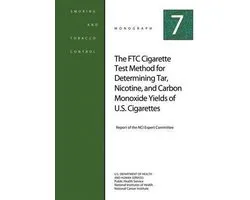
The FTC Cigarette Test Method for Determining Tar, Nicotine, and Carbon Monoxide Yields of U.S. Cigarettes
bij 1 winkel
Verwant
Streepjescode: 9781499642179

Alle aanbiedingen
- bol.comThe FTC Cigarette Test Method for Determining Tar, Nicotine, and Carbon Monoxide Yields of U.S. CigarettesNaar de winkel€ 24,00Op voorraad
We verdienen mogelijk commissie als je via deze link koopt. Wat jij betaalt verandert niet.
Over dit product
In response to the emerging scientific evidence that cigarette smoking posed a significant health risk to the user, in the early 1950's the major cigarette manufacturers began widespread promotion of filtered cigarettes to reassure smokers that, regardless of whatever unhealthy constituents were in cigarette smoke, filters were a "scientific" breakthrough. Advertisements for Viceroy's "health guard filter" stated, "DENTISTS ADVISE-Smoke VICEROYS-The Nicotine and Tars Trapped by The Viceroy Filter CAN NEVER STAIN YOUR TEETH!" and "Leading N.Y. Doctor Tells His Patients What to Smoke-Filtered Cigarette Smoke Is Better For Health. The Nicotine and Tars Trapped ... Cannot Reach Mouth, Throat Or Lungs." Chesterfield was "Best for you-low in nicotine, highest in quality," while L&M's were "Just What the Doctor Ordered." Lorillard Tobacco Company stressed its science-based Kent micronite filter (the original micronite filter was made of asbestos) and claimed it removed seven times more tar and nicotine than any other cigarette, which "put Kent in a class all by itself where health protection is concerned." Of course, we know today that not only were these claims patently false, but the cigarette companies knew ,it. In the early 1950's the Federal Trade Commission (FTC) challenged a variety of health claims made for cigarettes in their advertising, including claims about tar and nicotine. In 1955 FTC published advertising guidelines that, among other things, prohibited claims by cigarette manufacturers that a particular brand of cigarettes was low in tar and nicotine or lower than other brands, when it had not been established by competent scientific proof that the claim was true and the difference was significant. Cigarette manufactures, however, continued to advertise tar…
Omschrijving aangeleverd door bol.com.