 GiftCoves
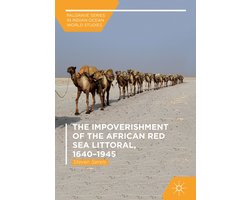
Palgrave Series in Indian Ocean World Studies-The Impoverishment of the African Red Sea Littoral, 1640–1945
bij 1 winkel
Verwant
Streepjescode: 9783319941646

Alle aanbiedingen
- bol.comPalgrave Series in Indian Ocean World Studies-The Impoverishment of the African Red Sea Littoral, 1640–1945Naar de winkel€ 86,99Op voorraad
We verdienen mogelijk commissie als je via deze link koopt. Wat jij betaalt verandert niet.
Over dit product
Steven Serels charts the erosion of this moral economy, a slow-moving process that began during the Little Ice Age mega-drought of the seventeenth and eighteenth centuries and continued through the devastating famines of the twentieth century. The African Red Sea Littoral, currently divided between Sudan, Eritrea, Ethiopia, and Djibouti, is one of the poorest regions in the world. But the pastoralist communities indigenous to this region were not always poor—historically, they had access to a variety of resources that allowed them to prosper in the harsh, arid environment. This access was mediated by a robust moral economy of pastoralism that acted as a social safety net. Steven Serels charts the erosion of this moral economy, a slow-moving process that began during the Little Ice Age mega-drought of the seventeenth and eighteenth centuries and continued through the devastating famines of the twentieth century. By examining mass sedentarization after the Second World War as merely the latest manifestation of an inter-generational environmental and economic crisis, this book offers an innovative lens for understanding poverty in northeastern Africa. The African Red Sea Littoral, currently divided between Sudan, Eritrea, Ethiopia, and Djibouti, is one of the poorest regions in the world. But the pastoralist communities indigenous to this region were not always poor—historically, they had access to a variety of resources that allowed them to prosper in the harsh, arid environment. This access was mediated by a robust moral economy of pastoralism that acted as a social safety net. Steven Serels charts the erosion of this moral economy, a slow-moving process that began during the Little Ice Age mega-drought of the seventeenth and eighteenth centuries and continued through…
Omschrijving aangeleverd door bol.com.