 GiftCoves
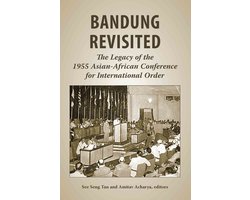
Bandung Revisited
bij 1 winkel
Verwant
Streepjescode: 9789971693930

Alle aanbiedingen
- bol.comBandung RevisitedNaar de winkel€ 22,00Op voorraad
We verdienen mogelijk commissie als je via deze link koopt. Wat jij betaalt verandert niet.
Over dit product
Argues that the 1955 Asia-Africa conference (the 'Bandung Conference') had a lasting normative influence on the contemporary regional order of Asia, and that it underlies the diplomatic principles and loosely defined normative framework that characterize present-day Asian international relations. The 1955 Asia-Africa conference (the ""Bandung Conference"") was a meeting of 29 Asian and African nations that sought to draw on Asian and African nationalism and religious traditions to forge a new international order that was neither communist nor capitalist, and led six years later to the non-aligned movement. Few would dispute the notion that the inaugural meeting in 1955 was a watershed in international history, but there is much disagreement about its long-term legacy and its significance for present-day international affairs. Was it a post-colonial ideological reaction to the passing of the age of empire or an innovative effort to promote a new regionalism? Were its principles of peaceful coexistence a rhetorical flourish or a substantive policy initiative? Did the Conference help define North-South relations? And in what way did the Conference contribute to the regional order of contemporary Asia?The authors in the present volume argue that the Bandung Conference had a lasting normative influence on the contemporary regional order of Asia, and that it underlies the diplomatic principles and loosely defined normative framework that characterize present-day Asian international relations.
Omschrijving aangeleverd door bol.com.