 GiftCoves
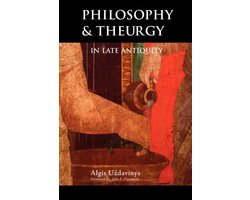
Philosophy and Theurgy in Late Antiquity
bij 1 winkel
Verwant
Streepjescode: 9781597310864

Alle aanbiedingen
- bol.comPhilosophy and Theurgy in Late AntiquityNaar de winkel€ 19,61Op voorraad
We verdienen mogelijk commissie als je via deze link koopt. Wat jij betaalt verandert niet.
Over dit product
The ancient philosophy, in its original Orphico-Pythagorean and Platonic form, is not simply a way of life in accordance with the divine or human intellect (nous), but also the way of alchemical transformation and mystical illumination achieved through initiatic 'death' and subsequent restoration at the level of divine light. To use another mythical image, philosophy restores the soul's wings and leads the purified lover of wisdom to Heaven. As a means of spiritual reintegration and unification, ancient philosophy is inseparable from the hieratic rites. Therefore those scholars who themselves follow the anagogic path of Platonic tradition are more or less firmly convinced that their philosophy ultimately derives from the Egyptian and Mesopotamian temple liturgies and rituals, reinterpreted and revived by the Neoplatonists under the name of 'theurgy' in late antiquity. The theurgic 'animation' of statues appears to be among the main keys for understanding how various royal and priestly practices, related to the daily ritual service and encounter with the divine presence in the temples, developed into the Neoplatonic mysticism of late antiquity. The traditional theory of symbolism still stands on the Neoplatonic foundation established by Iamblichus, Proclus, and Damascius."This book clearly establishes three things: that traditional myth (as the Neoplatonists maintained) is the symbolic expression of metaphysics, as metaphysics is the exegesis of myth; that Greek philosophy was not an isolated 'miracle' but a reinterpretation of perennial themes common to the ancient Near Eastern, Mesopotamian, Indian, and especially Egyptian religions; and that Platonic philosophical discourse was but one-half of a whole which included an invocatory/contemplative practice known as…
Omschrijving aangeleverd door bol.com.