 GiftCoves
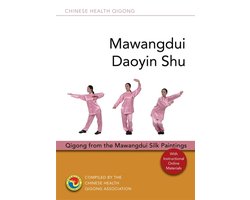
Mawangdui Daoyin Shu: Qigong from the Mawangdui Silk Paintings
dans 1 boutique
À voir aussi
Code-barres: 9781787751408

Toutes les offres
- bol.comMawangdui Daoyin Shu: Qigong from the Mawangdui Silk PaintingsVoir la boutique31,72 €En stock
Nous pouvons percevoir une commission si vous achetez via ce lien. Le prix que vous payez ne change pas.
À propos de ce produit
A powerful but easily learnt series of health qigong exercises based on images on ancient silk paintings excavated in China. The book provides instruction on the movements, and includes a brief account of the origins and guidance for practice. It also includes online content which provides full resources for learning and practising the form. Mawangdui Daoyin Shu presents a series of qigong forms based on those shown on the famous silk paintings excavated from the Mawangdui tombs of Changsha, Hunan Province. Discovered in the 1970s alongside a wealth of classical texts, they are among the oldest and best preserved silk works in China, and provide a fascinating insight into the early history of qigong. Dating from the Han Dynasty, these easy-to-learn movements work with the flow of vital energy through the meridians and encourage connection between the external movements of the body and the internal activity of the mind. Through rising and squatting, extending and withdrawing the limbs, bending and stretching, the movements help maintain health and cultivate the spirit. The book provides step-by-step, fully-illustrated instruction on the Mawangdui Daoyin Shu, and includes a brief account of the origins of the movements, with additional learning tips for each movement, and information about the health benefits. Additional downloadable content features a video demonstrating the form and additional information on its history and origins, and provides options for verbal instructions to lead the practitioner through the exercises, or music to accompany them. This accessible and beautiful form will be of interest to experienced practitioners and beginners alike, and especially to those interested in the authentic connection with forms practised in ancient China.
Description fournie par bol.com.