 GiftCoves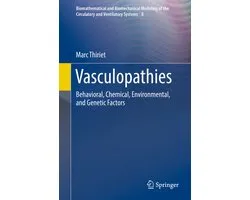
Biomathematical and Biomechanical Modeling of the Circulatory and Ventilatory Systems8- Vasculopathies
dans 1 boutique
À voir aussi
Code-barres: 9783319893143

Toutes les offres
- bol.comBiomathematical and Biomechanical Modeling of the Circulatory and Ventilatory Systems8- VasculopathiesVoir la boutique129,00 €En stock
Nous pouvons percevoir une commission si vous achetez via ce lien. Le prix que vous payez ne change pas.
À propos de ce produit
This volume presents one of the clinical foundations of vasculopathies: the biological markers and risk factors associated with cardiovascular disease. This volume presents one of the clinical foundations of vasculopathies: the biological markers and risk factors associated with cardiovascular disease. A detailed biological and clinical framework is provided as a prerequisite for adequate modeling. Chapter 1 presents cardiovascular risk factors and markers, where the search for new criteria is aimed at improving early detection of chronic diseases. The subsequent chapters focus on hypertension, which involves the kidney among other organs as well as many agents, hyperglycemia and diabetes, hyperlipidemias and obesity, and behavior. The last of these risk factors includes altered circadian rhythm, tobacco and alcohol consumption, physical inactivity, and diet. The volumes in this series present all of the data needed at various length scales for a multidisciplinary approach to modeling and simulation of flows in the cardiovascular and ventilatory systems, especially multiscale modeling and coupled simulations. The cardiovascular and respiratory systems are tightly coupled, as their primary function is to supply oxygen to and remove carbon dioxide from the body's cells. Because physiological conduits have deformable and reactive walls, macroscopic flow behavior and prediction must be coupled to nano- and microscopic events in a corrector scheme of regulated mechanisms. Therefore, investigation of flows of blood and air in anatomical conduits requires an understanding of the biology, chemistry, and physics of these systems together with the mathematical tools to describe their functioning in quantitative terms.
Description fournie par bol.com.